
International Wetland City Niigata: A Rich Food, Sake and Hospitality Culture Shaped by Nature
Discover Niigata City’s rice, sake and hospitality culture, shaped by its unique climate, fertile land and history as a
Press Release Disclaimer: This is a press release distributed through the XPR Media network. It has not been independently verified by our newsroom.
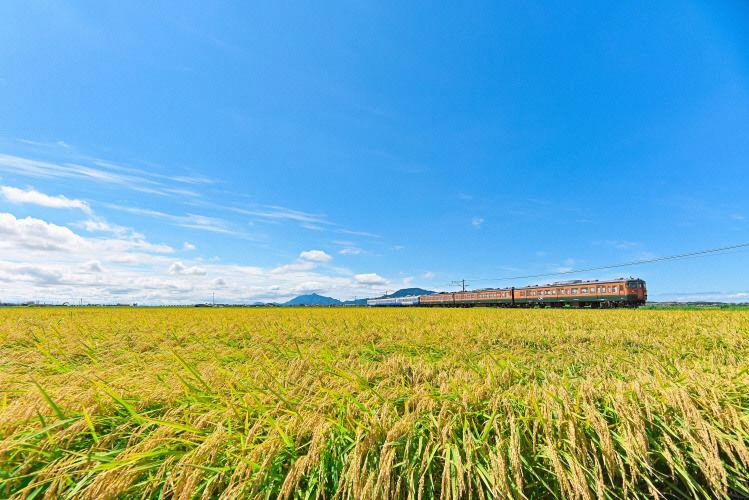

Discover Niigata City’s rice, sake and hospitality culture, shaped by its unique climate, fertile land and history as a port town.
NIIGATA CITY, NIIGATA, JAPAN, October 21, 2026 /EINPresswire.com/ — 1. Niigata’s Food Culture and Its Foundation in Rice Farming
Niigata City is a major urban center facing the Sea of Japan, where warm and cold ocean currents meet, and where two major rivers—the Shinano River and the Agano River—have created fertile land over centuries. With Japan’s largest area of rice paddies among municipalities, Niigata is a city where urban and rural communities thrive together, blessed with abundant agricultural and marine resources.
This article introduces Niigata City’s food culture, with a focus on rice, as well as the ryotei restaurant culture that developed through the city’s history as a port town since the Edo period.
Niigata City is a city that has developed alongside water, located on the coast of the Sea of Japan and shaped by the Shinano River and Agano River. Approximately half of the city’s total area consists of agricultural land, including rice paddies and fields. The rice cultivation area covers approximately 24,700 hectares, and annual rice production reaches 137,200 tons, ranking No.1 among all Japanese municipalities in both planted rice area and harvest volume. As a result, Niigata rice has become one of Japan’s most iconic symbols of food culture.
However, the beautiful rural landscape seen today was not created naturally.
The plain where rice is cultivated today was once beneath the sea. Over many years, sediment carried by the Shinano River and the Agano River accumulated to form the land. Because the terrain was low and water easily gathered, floodwaters were slow to drain, creating countless lagoons and wetlands of various sizes. The region was once so dominated by water that these areas were sometimes described as “lakes not shown on maps.”
From the Edo period onward, farmland development progressed, but floods frequently destroyed homes and fields, causing serious damage to agriculture and daily life. Because drainage was poor, fields could quickly become submerged after rainfall. Farmers lived alongside the water, traveling by small traditional boats called “tambo-bune” and working in muddy fields where the water and soil could reach chest height.
Over generations, local communities developed knowledge and techniques to live together with water.
Large-scale land improvement projects were carried out, including the construction of artificial waterways to carry accumulated water into the sea. After World War II, drainage pumping stations were built throughout the region to collect water and discharge it into rivers and the sea. At the same time, dams, levees, waterways and farmland consolidation projects were developed. The muddy fields that once challenged local communities were transformed into the rich agricultural landscape that exists today.
Niigata’s beautiful rice paddies are a testament to generations of people who worked with nature and overcame the challenges posed by water.
This long history of rice cultivation gave birth to Koshihikari, one of Japan’s most famous rice varieties, establishing Niigata as one of the country’s leading rice-producing regions.
The abundant water and rice also supported the development of diverse food traditions, including fermented foods such as miso and sake, as well as regional dishes that celebrate seasonal ingredients.
Niigata’s food culture is more than simply delicious cuisine. It represents the history of the region itself—a story of human wisdom, dedication and harmony with the land and water.
When enjoying Niigata rice, take a moment to imagine the surrounding rural landscapes and the generations of people who built their lives alongside lagoons and wetlands. Each grain of rice carries a story created by Niigata’s nature and the people who have cared for this land.
Experiencing the pleasure of delicious rice may be one of the ultimate forms of culinary richness. Come and discover the simple happiness of enjoying perfectly prepared rice.
2. Niigata’s Traditional Hospitality through Sake Culture and Ryotei Restaurants
Sake Culture
On December 5, 2024, Japan’s “Traditional knowledge and skills of sake-making with koji mold in Japan” was inscribed on UNESCO’s Representative List of the Intangible Cultural Heritage of Humanity.
While sake is produced throughout Japan, Niigata Prefecture has the largest number of sake breweries in the country. Among them, Niigata City is home to 15 sake breweries.
Two essential elements of sake production are rice and water. Niigata City is one of Japan’s leading rice-producing regions, and it is also blessed with abundant water resources, including rivers fed in part by snowmelt from the winter months. The combination of high-quality rice and pure water has supported the growth of many sake breweries throughout Niigata.
Most brewing water used by Niigata’s sake breweries is soft water. Because soft water contains relatively low levels of minerals, fermentation progresses slowly and steadily, producing sake with a clean and smooth taste.
Sake breweries are located throughout the region, each offering unique flavors and characteristics. Niigata City’s breweries also showcase a wide variety of styles, but many are known for their crisp finish and compatibility with food.
Some sake breweries in Niigata City welcome visitors for tours, allowing guests to discover the history of sake-making, the passion of brewers and the stories behind this traditional craft.
Why not experience Niigata’s sake culture firsthand?
Ryotei Culture and Furumachi Geigi (Geisha)
Niigata City is located near the mouth of the Shinano River, Japan’s longest river. The area around the river mouth has long served as a center of transportation and trade. From around the middle of the Edo period, Niigata flourished as a port of call for Kitamaebune trading ships that connected regions throughout Japan.
Through the Kitamaebune trade, many travelers and merchants visited Niigata’s port. To welcome and entertain these guests, geigi culture developed in the city approximately 200 years ago. As the Kitamaebune trade prospered, Furumachi developed into one of Japan’s leading hanamachi, or traditional geigi districts.
At its peak, approximately 400 Furumachi geisha were active in the district. Today, a smaller number of performers continue to preserve and pass down these traditional arts.
Furumachi is home to traditional ryotei restaurants dating back to the Edo period, as well as historic buildings originally built as waiting rooms and geigi residences. As one of Japan’s most distinguished traditional entertainment districts, Furumachi continues to preserve its unique ryotei culture.
At these restaurants, visitors can still enjoy elegant dining experiences accompanied by ozashiki performances featuring Furumachi geigi.
When visiting Niigata City, guests can enjoy exquisite cuisine at historic ryotei restaurants while experiencing the graceful dances and traditional arts of Furumachi geigi —a unique expression of Japanese hospitality passed down through generations.
Niigata City Policy Planning Department
Niigata City
seisakukikaku@city.niigata.lg.jp
Legal Disclaimer:
EIN Presswire provides this news content “as is” without warranty of any kind. We do not accept any responsibility or liability
for the accuracy, content, images, videos, licenses, completeness, legality, or reliability of the information contained in this
article. If you have any complaints or copyright issues related to this article, kindly contact the author above.

Media gallery

